Antimicrobial resistance is a growing global health concern, and soils are an important reservoir of antibiotic resistance genes (ARGs). However, how short-term extreme climatic events affect these genes remains poorly understood.
The research team led by Prof. Yu Yong from the Northeast Institute of Geography and Agroecology of the Chinese Academy of Sciences has revealed how soil ARGs respond to different climate extremes. The study, recently published in PNAS, was conducted in collaboration with Prof. Matthias C. Rillig from Freie Universität Berlin and Prof. Franciska T. de Vries from the University of Amsterdam.
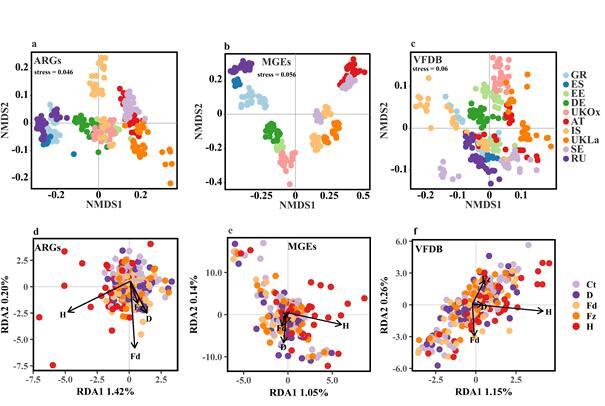
Fig. 1. Compositional patterns of antibiotic resistance genes (ARGs), mobile genetic elements (MGEs), and virulence factor genes (VFGs) across European soils and their responses to simulated climate extremes.
The researchers analyzed metagenomic data from a controlled experiment using soils collected from 30 grassland sites across ten European countries. The experiment simulated drought, flooding, freeze–thaw cycles, and heatwaves, with samples analyzed at the end of each disturbance and after four weeks of recovery.
Geographic differences accounted for most of the variation in soil ARG composition, while climatic disturbances produced smaller changes that varied among event types. Heatwaves caused the clearest decline in ARG relative abundance across several major resistance classes. Drought, flooding, and freeze–thaw cycles generally had weaker effects.
Functional gene analysis provided clues to the heatwave response. Genes associated with cellular structures and signal transduction increased in relative abundance, while those involved in amino acid and carbohydrate transport and metabolism declined. Together with the lower relative abundance of ARGs, these patterns are consistent with a possible trade-off between maintaining resistance traits and coping with acute heat stress.
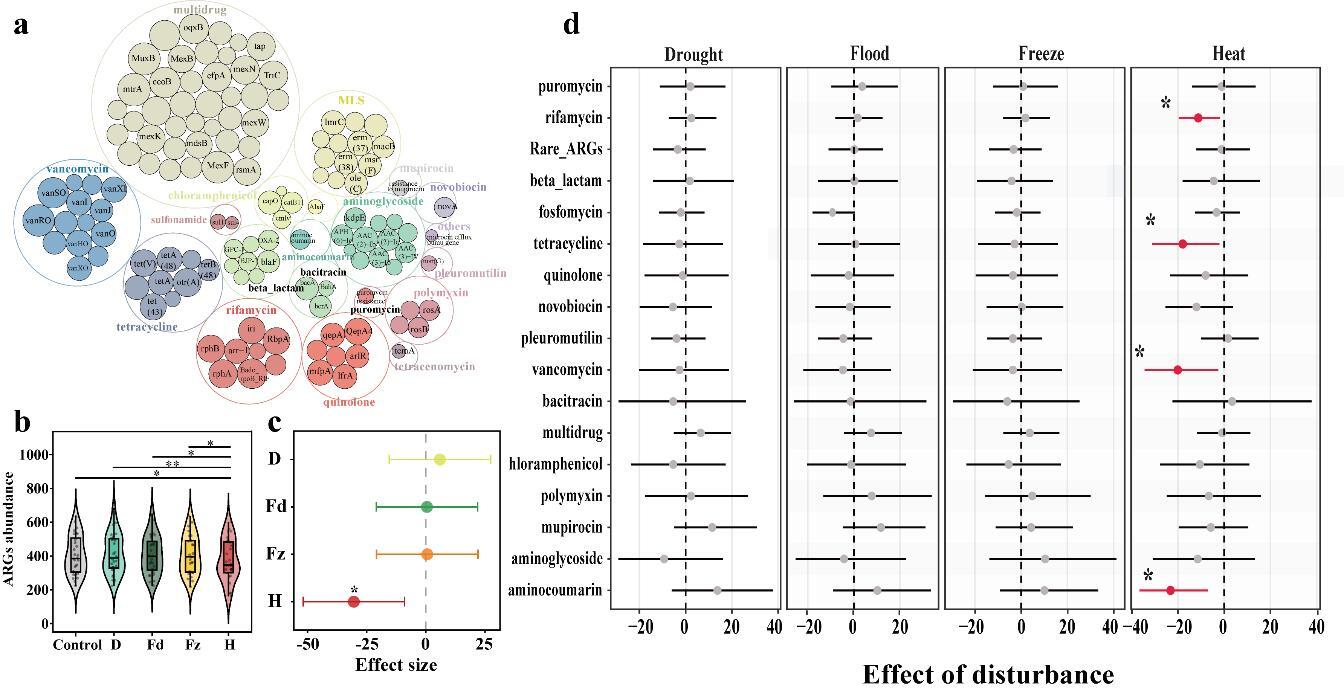
Fig. 2. Effects of extreme climatic events on soil antibiotic resistance gene profiles.
Environmental factors associated with ARG responses also differed between the disturbance and recovery phases. Immediate responses were closely associated with soil pH, temperature, and carbon and nitrogen status. During recovery, responses were linked more closely to soil moisture, water-holding capacity, and seasonal variation in temperature and precipitation.
Using soil properties and climatic information, the researchers developed random forest models to predict the extent of changes in ARG composition. Spatial cross-validation supported their predictive ability within the environmental range represented by the study, although performance varied among disturbance types.
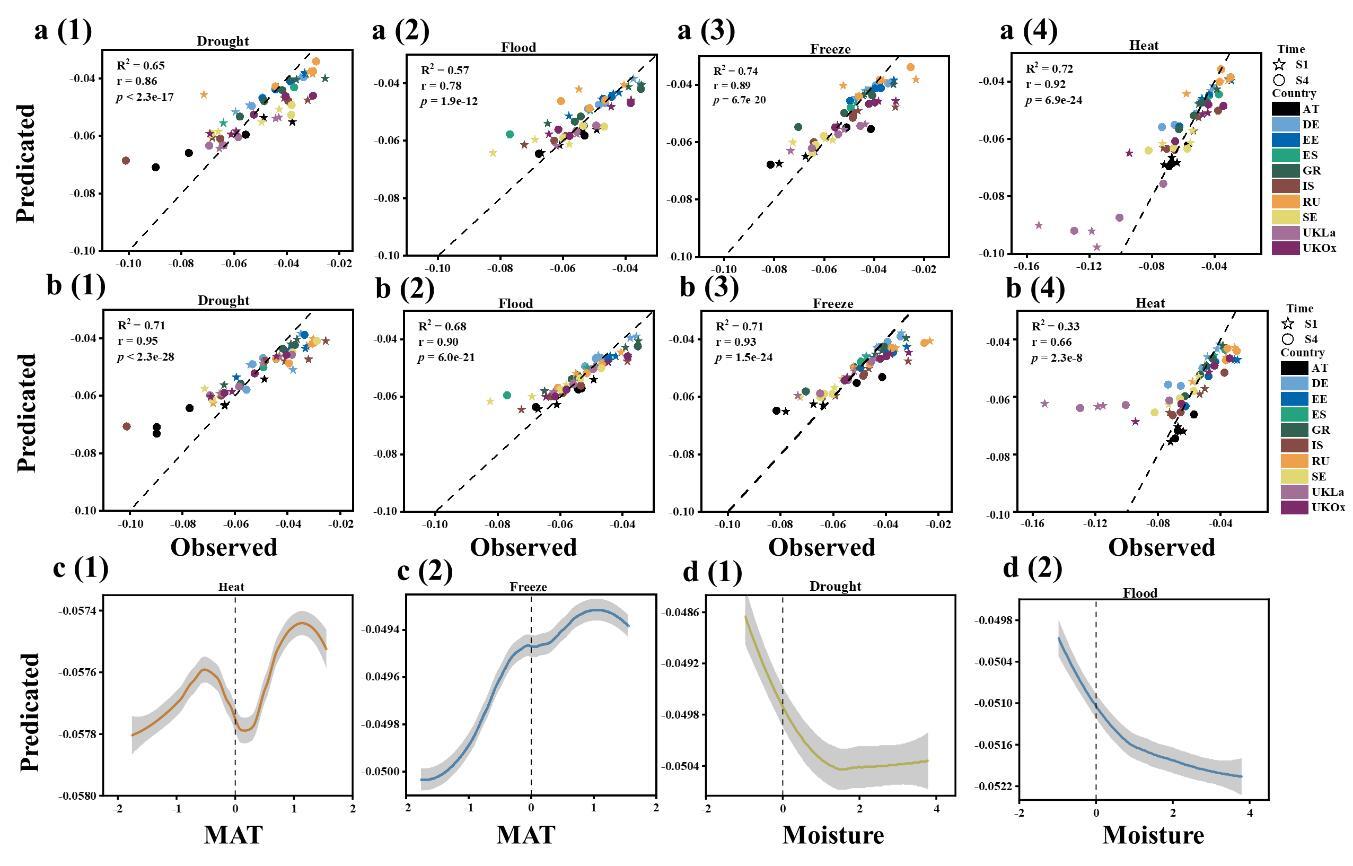
Fig. 3. Predicting the magnitude of ARGs responses to extreme climate events from climate and initial soil properties.
The findings highlight the role of disturbance type and local environmental conditions in shaping soil ARG responses. They provide a starting point for anticipating how climate extremes alter soil reservoirs of antibiotic resistance and for integrating these changes into One Health research.
Link: www.pnas.org/doi/10.1073/pnas.2612278123


